One important win for our patients in 2026
Over a period of time we noticed that some of our patients were leaving hospital with urinary catheters. This is a tube which is inserted to drain urine from the bladder, sometimes used when someone cannot urinate themselves, called “urinary retention”.
If the reason for urinary catheter insertion is considered to be temporary, then the patient is asked to return to hospital for a “trial of void”, which means nursing staff remove the catheter and see if the patient can pass urine themselves without it.
For various reasons, some people fail this trial of void and end up having the catheter reinserted. For some of these people there may be no plan to remove it. It is then considered a “long term” or “permanent” catheter, meaning it could be there for life.
Whilst this outcome for some people is appropriate and required, for others it means they end up with a permanent urinary catheter unnecessarily.

As a medical organisation we had our concerns about this, and so in 2025 purchased our own devices which allow us to conduct a trial of void for our own patients, and coach them towards their best chance of removing their urinary catheter. These devices are called bladder scanners. They use ultrasound technology to see how much urine is in the bladder.
We are pleased to report that through our trial of void process, we have been able to successfully and permanently remove some patients’ urinary catheters. This has been a really positive outcome.
One word of caution (although perhaps obvious) – DO NOT try to remove your own urinary catheter at home if you haven’t been asked to do so. This could be dangerous and likely end in pain!
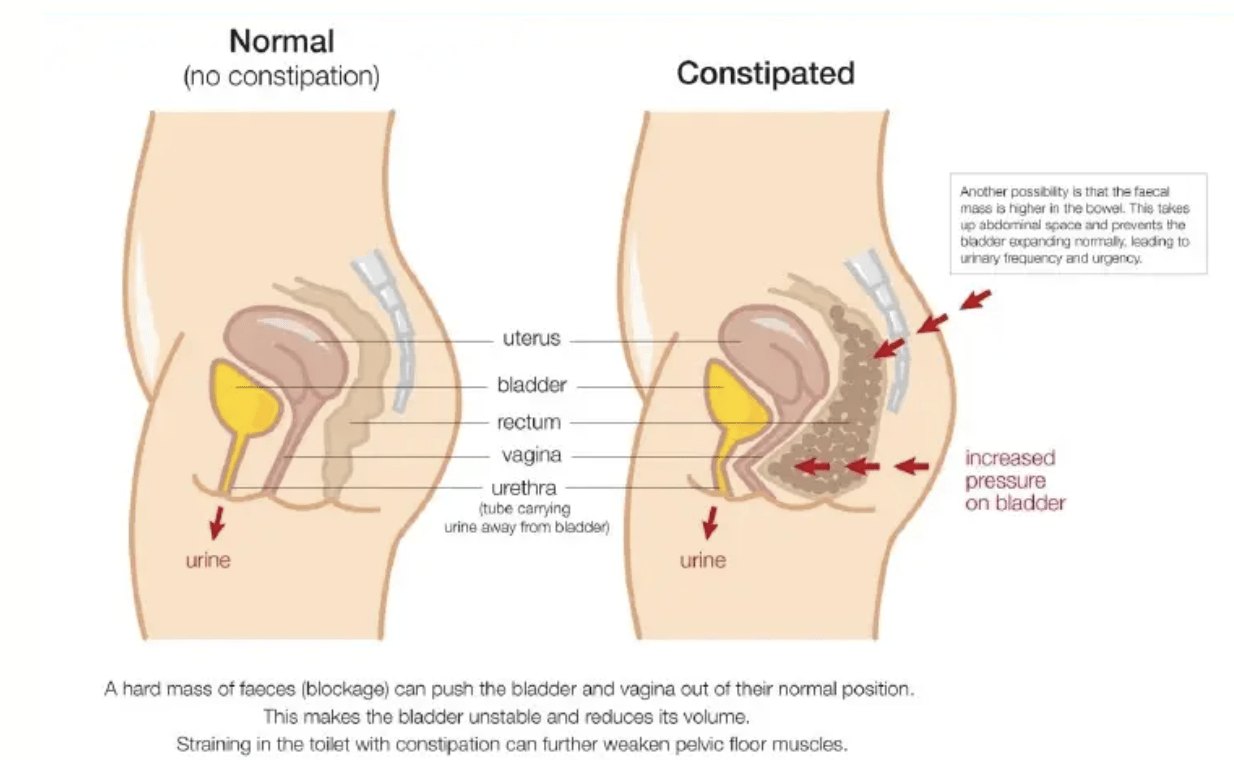
Some of the reasons a person can go into urinary retention temporarily include constipation, bladder stones and infection. These are reversible conditions, with constipation in particular often being a cause. The reason for this is that the rectum is anatomically located behind the bladder and if you are constipated your rectum may be full of faeces such that it tilts the bladder causing a kink in the outlet stopping you from urinating.
Other factors that can help both to pass urine and help with continence, include pelvic floor muscle exercises. Physiotherapy can assist with this, as can special chairs which help activate and train your pelvic floor muscles. At Atticus we have one such device, the Emsella chair. It is available for patient use in our clinic at Hastings.
Once again, we’re enthused by the outcome of our in-house trial of void process; a process that more thoroughly considers all factors and coaches patients, giving them their best attempt to remove a temporary urinary catheter.
More generally, we see great scope and promise for our services at Atticus to facilitate smoother transitions for our patients when they are discharged from hospital. We look forward to expanding this service in 2026 and beyond.
For now, if you know anyone who has a temporary urinary catheter and needs any advice, please ask them to get in touch with us. We’d be glad to help.
Dr Floyd Gomes
Founder – Atticus Health